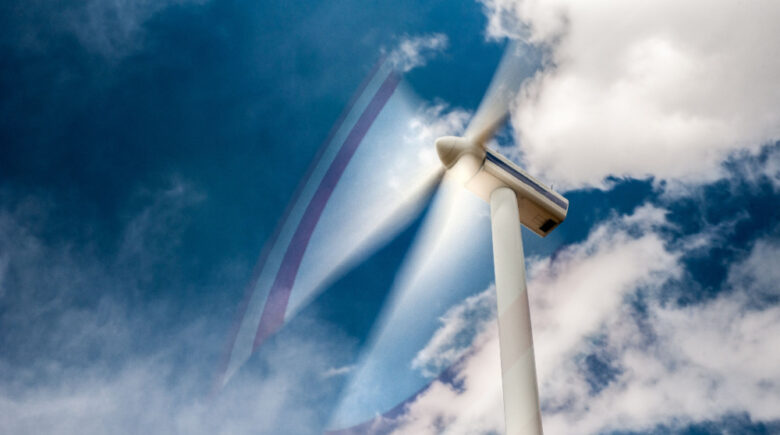
Wind energy was supposed to be the backbone of America’s clean power transition. Instead, projects are being delayed, canceled, or quietly downsized. Behind the optimistic headlines, the economics of wind are under real pressure—and the fallout could reshape the energy market.
For more than a decade, wind energy has been one of the great success stories of America’s clean energy push. Turbines sprouted across the Midwest, offshore wind promised to transform coastal grids, and investors poured billions into what looked like a safe, scalable alternative to fossil fuels.
But something has changed.
Over the past year, wind projects that once looked inevitable have started to wobble. Developers are walking away from contracts. Utilities are renegotiating deals they signed just a few years ago. In some states, massive offshore wind projects—once pitched as economic engines—are suddenly on hold.
This isn’t a story about climate denial or political backlash. It’s a story about money, math, and market reality. Wind energy hasn’t failed—but it has hit a breaking point. And the consequences will ripple far beyond the clean energy sector.
What Actually Happened
The trouble started quietly. Rising interest rates pushed up financing costs for large infrastructure projects, including wind farms that rely heavily on long-term debt. At the same time, inflation drove up the price of steel, turbines, shipping, and labor—blowing holes in budgets written years earlier under very different assumptions.
Then came the contract problem.
Many wind developers locked in power purchase agreements (PPAs) years in advance, agreeing to sell electricity at fixed prices. Those deals made sense when borrowing was cheap and supply chains were stable. Today, they look increasingly unworkable. Developers are now facing a choice: move forward at a loss or walk away entirely.
Offshore wind has been hit especially hard. Projects along the East Coast have faced ballooning costs, regulatory delays, and logistical hurdles that are far more complex than land-based wind. Several major players have written down billions of dollars in losses or exited projects altogether.
Meanwhile, utilities and state governments—caught between climate goals and ratepayer pressure—are reassessing how much risk they’re willing to absorb.
The result is a slowdown that few anticipated this soon.
Who This Hits and Why It Matters
At first glance, wind energy’s struggles might seem like a niche problem for developers and investors. In reality, the impact is far broader—and more personal.
Consumers could feel it on their power bills.
Wind was supposed to be one of the cheapest sources of new electricity. If projects stall or get repriced at higher rates, utilities may turn back to natural gas or delay retiring older plants. That means higher long-term costs and more exposure to volatile fuel prices.
Investors are rethinking “safe” green assets.
For years, renewable energy projects were marketed as stable, bond-like investments. The recent wave of write-downs has shattered that perception. Pension funds, insurers, and asset managers are now demanding higher returns to compensate for risk—raising costs across the entire sector.
States face a credibility problem.
Many state climate plans depend heavily on wind power capacity that hasn’t been built yet. Delays force policymakers into uncomfortable trade-offs: relax clean energy targets, subsidize projects more aggressively, or accept higher electricity prices.
Manufacturing and jobs are caught in the middle.
Wind energy supports tens of thousands of jobs, from turbine manufacturing to maintenance crews. When projects pause, so do hiring plans. Regions that bet on wind as an economic driver now face uncertainty just as factories were ramping up.
The clean energy transition itself slows down.
Wind isn’t optional in most decarbonization models—it’s essential. If wind growth falters, the pressure shifts to solar, batteries, and nuclear, each with its own constraints. The energy transition becomes harder, slower, and more expensive.
Perhaps most importantly, the wind slowdown exposes a deeper truth: clean energy is not immune to basic economics. Ambitious goals don’t override interest rates, supply chains, or contract math.
Where Wind Goes From Here
Despite the turbulence, wind energy is not headed for collapse. But it is entering a more sober phase.
Developers are pushing for contract renegotiations that reflect today’s costs. Some states are responding by adjusting price caps or offering additional incentives to keep projects alive. Federal tax credits—especially those expanded under recent clean energy legislation—provide a crucial backstop, though they can’t fully offset higher borrowing costs.
Technology improvements will help over time. Larger turbines, better efficiency, and smarter grid integration can improve economics—but those gains take years, not months.
Offshore wind’s future is the biggest question mark. The long-term potential remains enormous, especially near dense population centers. But the industry may need a reset: fewer projects, more realistic pricing, and a clearer risk-sharing framework between developers, utilities, and governments.
Onshore wind is likely to recover faster. It’s cheaper, simpler, and already well-integrated into the grid in many regions. Expect a shift back toward land-based projects while offshore wind regroups.
Above all, the next phase of wind energy will be less about hype and more about discipline. Investors will demand stronger returns. Policymakers will need to align climate ambition with economic reality. And developers will have to build projects that work not just on paper—but in the real world.
Conclusion: What to Watch Next
Wind energy’s moment of reckoning doesn’t mean the clean energy transition is failing. It means it’s growing up.
The easy wins are over. The era of cheap money is gone. What comes next will be harder—but also more durable. Watch for contract resets, policy tweaks, and consolidation in the wind sector over the next year. The projects that survive will define the next decade of clean power.
Wind may no longer be the effortless hero of the energy story. But if the industry adapts, it can still be one of its most important chapters.
The breeze hasn’t stopped blowing. The question is whether the business model can keep up.