Credit Card Debt Just Hit a Breaking Point
Credit card debt just hit a record high. With rates above 20%, rising balances are squeezing…
View ArticleCredit cards can be more than just a convenient way to pay — they’re financial tools that, when used wisely, offer flexibility and potential rewards. From cashback and travel perks to balance transfers and low interest rates, the right card can align with your lifestyle and spending habits.
Before exploring the available options, it helps to think about what matters most to you: saving on interest, earning rewards, or building credit. With so many choices, finding the right fit means balancing features with your financial goals.
Take a look at the credit card offers below and see which ones fit your needs. You can click on a single option to learn more or explore multiple offers to compare before making a decision.
Credit cards are one of the most widely used financial tools in the world — and also one of the most misunderstood. Whether you’re applying for your first card, trying to get out of debt, or just looking to use your existing card more strategically, the questions below cover everything you need to know. We’ve compiled the most common credit card questions we hear and answered each one in plain, straightforward language.
A credit card is a revolving line of credit issued by a bank or financial institution that allows you to make purchases now and pay for them later. Every time you use the card, you’re borrowing money up to your approved credit limit. At the end of each billing cycle — typically 30 days — you receive a statement showing your total balance, your minimum payment due, and your payment due date.
You have the option to pay the full balance, the minimum payment, or any amount in between. If you pay the full balance by the due date, no interest is charged. If you carry any portion of the balance into the next month, the issuer applies interest to the unpaid amount at your card’s Annual Percentage Rate (APR).
Unlike a debit card, which draws directly from your bank account, a credit card draws from a credit line extended to you by the issuer. This distinction matters because it means your spending isn’t limited to what’s in your account — but it also means you can accumulate debt if you’re not careful.
The core difference is where the money comes from. A debit card pulls funds directly and immediately from your checking account. A credit card borrows money from your card issuer, which you repay later.
From a practical standpoint, credit cards offer stronger consumer protections than debit cards. Under the Fair Credit Billing Act, your liability for fraudulent credit card charges is capped at $50 — and most major issuers offer zero-liability policies. With a debit card, fraudulent transactions come directly out of your bank account, and recovering that money can take days or weeks even when the fraud is confirmed.
Credit cards also help you build a credit history, which debit cards do not. Every on-time payment you make with a credit card is reported to the credit bureaus and contributes to your credit score. Responsible credit card use over time is one of the most reliable ways to build strong credit.
Your credit limit is set by the card issuer based on their assessment of your creditworthiness at the time of application. The primary factors they consider include your credit score, your annual income, your existing debt obligations, your employment status, and the length of your credit history.
Applicants with higher incomes, lower debt loads, and stronger credit scores generally receive higher limits. First-time cardholders or those with limited or damaged credit typically start with lower limits — sometimes as low as $200 to $500 — and can request increases after demonstrating responsible use over several months.
It’s worth noting that the limit you’re approved for may differ from what you requested. Issuers make the final determination based on their internal underwriting criteria, which weighs your full financial profile rather than just your request.
APR stands for Annual Percentage Rate. It’s the annualized interest rate applied to any balance you carry from month to month on your credit card. If your APR is 24%, for example, your monthly interest rate is approximately 2% — meaning a $1,000 balance would accrue roughly $20 in interest charges each month you don’t pay it off.
APR matters enormously when you carry a balance. A difference of just a few percentage points between two cards can translate into hundreds of dollars in additional interest over the course of a year. When comparing credit cards, APR is one of the most important numbers to evaluate — especially if there’s any chance you’ll carry a balance.
Most credit cards have variable APRs, meaning the rate can change over time based on a benchmark rate such as the U.S. Prime Rate. Your card agreement will specify how and when your rate can be adjusted. Some cards also offer different APRs for purchases, balance transfers, and cash advances — so it’s important to read the fine print for each category.
Making only the minimum payment each month is one of the most expensive habits a credit card holder can develop. The minimum payment — typically 1 to 2% of your balance or a flat dollar amount, whichever is greater — barely covers the interest that accrues each billing cycle. The result is that your principal balance shrinks very slowly, even as you continue making payments month after month.
To put it in concrete terms: a $3,000 balance at 22% APR, paid down at the minimum payment rate, could take 15 years or more to fully repay — and cost more in total interest than the original balance itself. The card issuer is required by law to show you this calculation on your monthly statement, in a section labeled something like “Minimum Payment Warning.”
Minimum payments are useful as a fallback in a tough month, but they should never be treated as a long-term repayment strategy. Paying even $50 to $100 more than the minimum each month can dramatically shorten your payoff timeline and reduce total interest paid.
The answer is: both are possible, depending entirely on how you use it. Used responsibly, a credit card is one of the single most effective tools for building and maintaining a strong credit score. Used carelessly, it can cause significant damage.
Credit cards help your score by establishing a positive payment history — the most heavily weighted factor in your FICO score, accounting for roughly 35% of the total. Every on-time payment you make is recorded and contributes positively. Having a credit card also helps your credit utilization ratio, particularly if you keep your balance low relative to your limit. A utilization rate below 30% — and ideally below 10% — signals to lenders that you’re using credit responsibly.
On the other hand, late payments, maxed-out balances, and applying for multiple cards in a short period can all drag your score down. A single missed payment can remain on your credit report for up to seven years. The key is consistency: pay on time, keep balances low, and avoid opening or closing accounts unnecessarily.
The grace period is the window of time between the end of your billing cycle and your payment due date — typically 21 to 25 days. During this period, you can pay your full statement balance without being charged any interest on your purchases.
This is one of the most valuable features of a credit card and one that many cardholders don’t fully utilize. If you pay your full statement balance before the due date every month, you effectively get an interest-free short-term loan on every purchase you make. You get the convenience and protections of a credit card with none of the interest costs.
It’s important to note that the grace period typically only applies to new purchases. Cash advances and balance transfers usually begin accruing interest immediately, with no grace period — which is one of several reasons those features should be used with caution.
Credit card rewards programs allow you to earn points, miles, or cashback on your everyday spending. Cashback cards return a percentage of your spending — typically 1% to 5% depending on the category — as a statement credit or direct deposit. Points and miles cards accrue rewards that can be redeemed for travel, merchandise, gift cards, or other perks.
Whether rewards are worth it depends on two things: the card’s fees and your ability to pay in full each month. If you carry a balance, the interest you pay will almost always outweigh any rewards you earn. A 2% cashback rate is meaningless when you’re paying 22% APR on an unpaid balance. Rewards cards are designed to be profitable for people who pay in full — and that’s the only situation where they truly benefit the cardholder.
If you do pay in full every month, rewards cards can offer genuine value. A flat 2% cashback card on $2,000 of monthly spending returns $480 per year — effectively a discount on everything you buy. Travel cards with sign-up bonuses can deliver even more value for frequent travelers willing to manage the redemption process.
Contact your card issuer immediately. Most major issuers have 24-hour fraud hotlines, and many allow you to freeze or cancel your card instantly through their mobile app. The faster you report a lost or stolen card, the less exposure you have to unauthorized charges.
Under federal law, your liability for unauthorized charges is limited to $50 if you report the card lost before any fraudulent charges occur, and capped at $50 even if charges were made before you reported it. Most major issuers go further with zero-liability policies, meaning you won’t be held responsible for any unauthorized charges as long as you report them promptly.
After reporting the card, review your recent transactions carefully for any charges you don’t recognize. Dispute any unauthorized transactions directly with your issuer. A replacement card is typically issued within a few business days, often with expedited shipping available if you need it sooner.
A secured credit card is a type of card designed for people with no credit history or damaged credit. Unlike a regular credit card, a secured card requires you to make a refundable security deposit upfront — typically ranging from $200 to $500 — which becomes your credit limit. The deposit reduces the lender’s risk, making it possible for them to extend credit to applicants who wouldn’t qualify for a traditional card.
From a usage standpoint, a secured card functions exactly like a regular credit card. You make purchases, receive a monthly statement, make payments, and your activity is reported to the credit bureaus. Used responsibly over six to twelve months, a secured card can meaningfully improve your credit score and pave the way for approval on an unsecured card with a higher limit.
When you close the account or graduate to an unsecured card — something many issuers offer automatically after a period of good standing — your deposit is returned in full, provided your account is in good standing and has no outstanding balance.
There’s no single right answer, but for most people, one to three cards strikes the right balance. Having more than one card can be beneficial: it increases your total available credit (which helps your utilization ratio), provides a backup if one card is lost or frozen, and allows you to take advantage of different rewards categories across cards.
However, having too many cards introduces complexity and risk. More accounts mean more statements to track, more due dates to remember, and more opportunities for a payment to slip through the cracks. Opening several new accounts in a short period also generates multiple hard inquiries on your credit report and lowers the average age of your accounts — both of which can temporarily reduce your score.
The right number of cards is the number you can manage responsibly. If you’re disciplined about paying on time and keeping balances low, two or three cards used strategically can work in your favor. If managing one card is already a challenge, adding more won’t help.
Credit cards can come with a variety of fees, and it’s important to know what you’re agreeing to before you apply. The most common fees to watch for include:
Annual fee: A yearly charge for holding the card, ranging from $0 on basic cards to $500 or more on premium travel cards. Annual fees are worth paying only if the rewards and benefits you use consistently outweigh the cost.
Late payment fee: Charged when you miss your payment due date. Typically $25 to $40 per occurrence. Beyond the fee itself, a late payment can trigger a penalty APR — a significantly higher interest rate applied to your balance going forward.
Foreign transaction fee: A charge of typically 1% to 3% applied to purchases made in a foreign currency or processed through a foreign bank. If you travel internationally, look for a card that waives this fee.
Cash advance fee: Charged when you use your credit card to withdraw cash from an ATM. Usually 3% to 5% of the amount withdrawn, with a minimum dollar amount. Cash advances also begin accruing interest immediately at a higher rate than purchases.
Balance transfer fee: Typically 3% to 5% of the amount transferred when you move a balance from one card to another. Even when transferring to a 0% APR promotional card, this fee applies upfront and should be factored into your savings calculation.
Credit cards are powerful financial tools — capable of building your credit, earning you real rewards, and providing protections that cash and debit cards simply can’t match. But they’re only beneficial when used with intention and discipline. The cardholders who come out ahead are those who understand how interest works, pay their balances on time, and never charge more than they can afford to repay.
If you still have questions about credit cards or want to explore your options, use our tools above to compare cards and find the right fit for your financial situation. The right card, used the right way, can be one of the smartest financial moves you make.

Credit card debt just hit a record high. With rates above 20%, rising balances are squeezing…
View Article
U.S. credit card debt is hitting records as interest rates soar. See why households are struggling…
View Article
America’s credit scores look strong, but rising debt and delinquencies tell another story….
View Article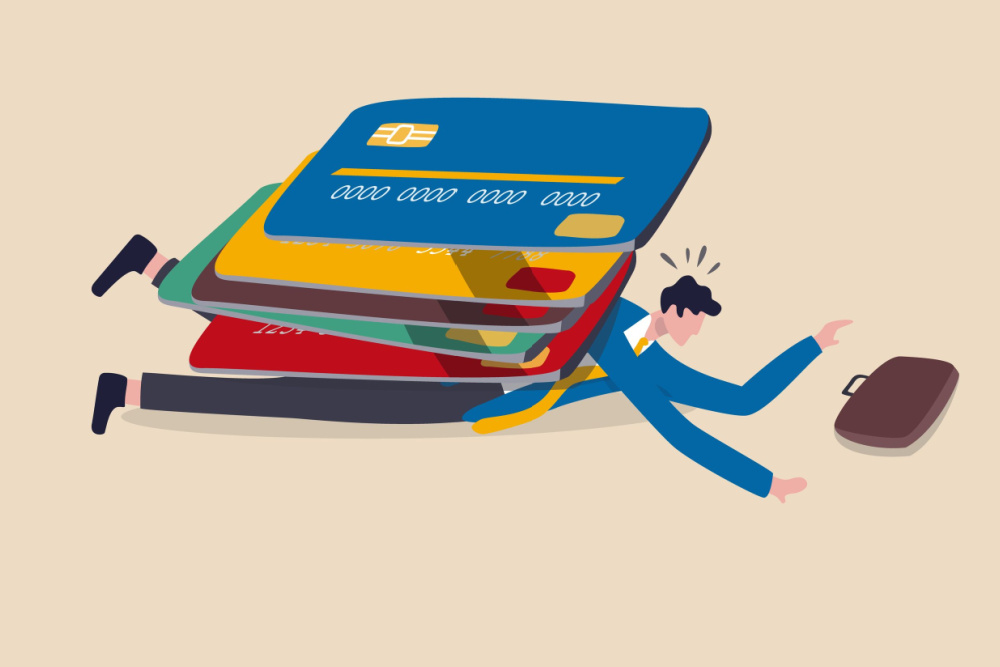
Credit card debt just reached $1.3T. Learn what’s fueling the spike, why households are feeling…
View Article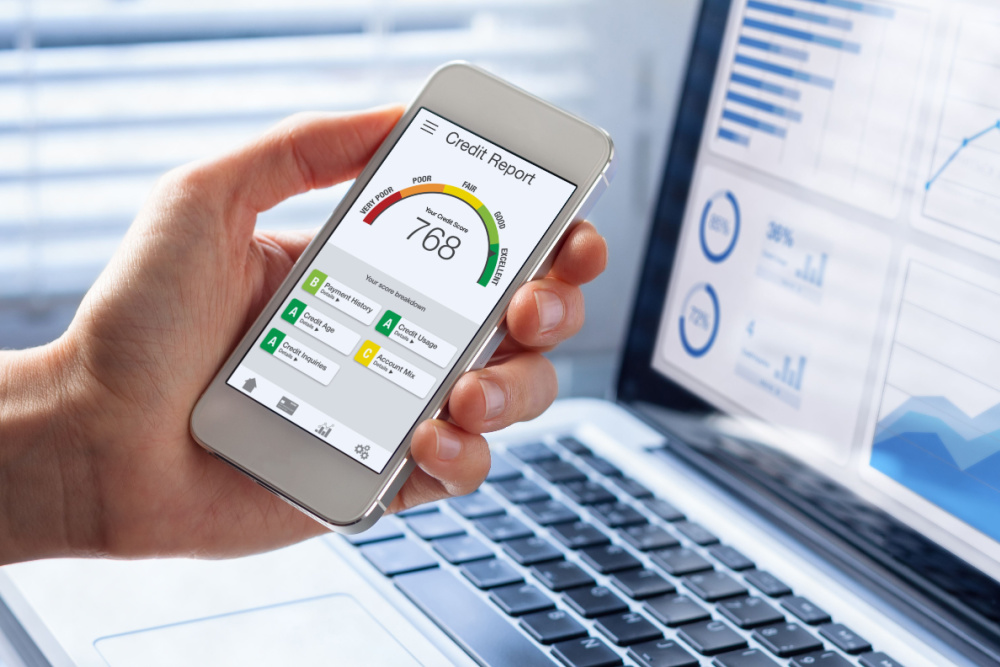
Improving your credit score takes a lot of planning and work.
View Article
The perks and benefits associated with a credit card often make it a smart decision when paying for…
View Article
The amount of consumer credit one has is determined by ones borrowing history, their proven ability…
View Article
It's crucial to be keen on your credit card spending habits to avoid remorse, regret, frustration,…
View Article